Ball Cage & Ball Storage Locker Options for Schools and Facilities
Anyone searching for a school ball cage or an indoor sports locker is usually solving the same problem: too many balls, not enough organized space. This collection covers that range with two brands. Jaypro supplies seven ball cart and ball carrier models, from a 12-ball Mini ToteMaster up to a 35-ball ToteMaster Plus and a 30-ball Double Atlas Series cart. Gared Sports contributes the All Sport Deluxe Ball Storage Cage (DBC), a stationary ball storage cage designed for facilities that want a fixed storage point rather than a rolling cart. Between the two brands, athletic directors, PE departments, and facility managers have options whether they're outfitting a single equipment room or standardizing storage across multiple gyms.
Who This Collection Fits
Middle schools and high schools searching for a school ball cage typically need something durable enough for daily student use, easy for coaches to load between periods, and compact enough to fit in an equipment closet or corner of a gym. Rec centers and multi-sport facilities running an indoor sports locker program often want a mix of capacities — a small cart for a single team's practice balls and a larger cage or cart for shared inventory like volleyball, basketball, or soccer balls stored between seasons.
Ball Cart vs. Ball Storage Cage: What's the Difference
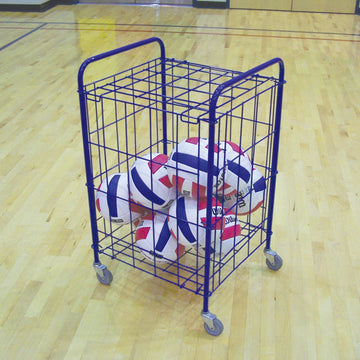
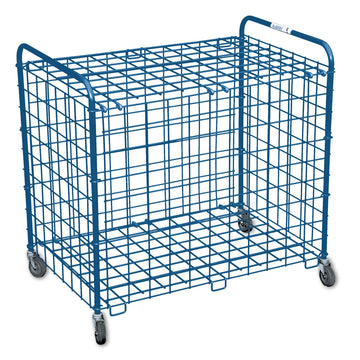
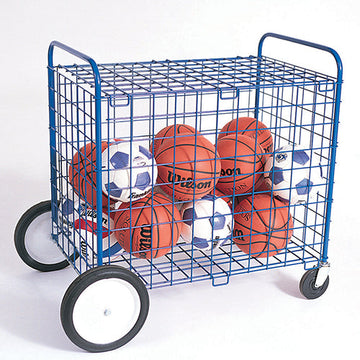
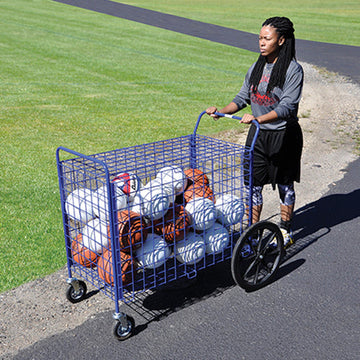
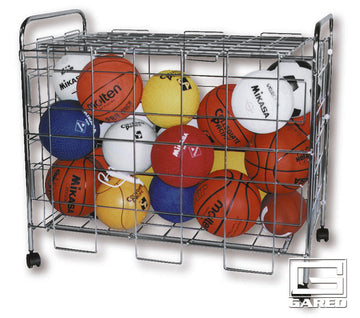
A ball cart storage cage search often turns up two different product types, and this collection carries both. Ball carts — like the Jaypro ToteMaster and Atlas Series lines — are wheeled units meant to be loaded, rolled to the field or court, and rolled back for storage. They range from the compact ToteMaster Mini (12 balls) to the ToteMaster Field model (51 in. L x 25 in. W x 48 in. H), which is built for larger inventories and outdoor transport. A ball storage cage, such as the Gared All Sport Deluxe DBC, is instead a fixed locker-style unit meant to hold inventory in place inside an equipment room rather than travel with the team. If your program needs balls delivered to practice, a cart makes more sense; if you're organizing a shared equipment room, a cage-style locker is the better fit.
Sizing and Capacity: Matching a Cart or Cage to Your Roster
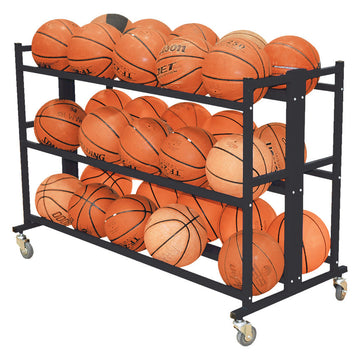
Capacity is the first thing to check when comparing a ball cage or ball storage locker for your program. This collection spans a wide range: the ToteMaster Mini holds 12 balls, the Original ToteMaster holds 25, the BBABL-1 Atlas Series Ball Carrier is rated for 25+ balls, the Double Atlas Series cart holds 30, and the ToteMaster Plus tops out at 35. For teams with larger inventories or multiple ball types, the higher-capacity carts reduce the number of trips needed to fully stock a practice or game. Smaller programs, or those storing a single team's balls, are typically better served by the Mini or Original ToteMaster sizes, which take up less floor space in a shared equipment room.
Dimensions and Footprint
Because these carts move balls in and out of gyms, hallways, and storage rooms, footprint matters as much as capacity. The All Terrain ToteMaster measures 36 in. L x 24 in. W x 36 in. H, sized for tighter spaces and mixed indoor/outdoor use, while the Field ToteMaster is considerably larger at 51 in. L x 25 in. W x 48 in. H — worth measuring against doorways, storage closets, and cart-return areas before ordering. If you're comparing a gear cage or cage locker for a shared equipment room, confirm both the footprint and how many staff or students will need access at once, since fixed cages like the Gared DBC don't move once installed.
Jaypro and Gared: Two Approaches to Ball Storage
Jaypro accounts for the majority of this collection — seven models covering nearly every capacity and cart style, from the Mini to the Field ToteMaster and the Atlas Series carriers. That range makes Jaypro the go-to option if you're comparing multiple capacities side by side or need a cart that matches a specific practice routine. Gared Sports, known more broadly for athletic and facility equipment, contributes the All Sport Deluxe Ball Storage Cage — a single, dedicated storage-cage option for programs that want a fixed locker rather than a mobile cart. Reviewing both brands together gives a clear picture of whether a rolling cart or a stationary cage better fits your storage routine and floor plan.
Frequently Asked Questions
What is a ball cart?
A ball cart is a wheeled storage unit used to hold, transport, and organize game or practice balls between an equipment room and the field or court. In this collection, Jaypro ball carts range from 12-ball Mini models to 35-ball ToteMaster Plus units, letting coaches roll inventory to practice instead of carrying balls by hand.
What is the best baseball ball cart?
For baseball programs handling large numbers of balls, a higher-capacity cart like the Jaypro ToteMaster Plus (35 ball) or Double Atlas Series (30 ball) reduces refill trips during batting practice. Smaller programs or bullpen use often work fine with the 25-ball Original ToteMaster, which is easier to store between sessions.
What is a volleyball cart?
A volleyball cart is the same type of wheeled ball storage unit used for baseball, soccer, or basketball, sized to hold a team's practice balls and roll them to the court. Any of the ToteMaster or Atlas Series carts in this collection can be used for volleyball inventory depending on roster size.
What is a football cart?
A football cart is a rolling ball carrier sized to move footballs from storage to the practice field, similar in design to the Jaypro Atlas Series and ToteMaster lines carried here. Capacity needs vary by roster size, so programs with larger squads typically choose the 30- or 35-ball models.
What's the difference between a ball cage and a ball cart?
A ball cart is a wheeled unit meant to transport balls to and from practice, while a ball storage cage, like the Gared All Sport Deluxe DBC, is a fixed locker-style unit for holding inventory in one place. Choose a cart for daily transport and a cage for centralized equipment-room storage.
How many balls fit in a ball storage cart?
Capacity varies by model in this collection, from the 12-ball ToteMaster Mini up to the 35-ball ToteMaster Plus, with 25-ball, 25+ ball, and 30-ball options in between. Match the cart's capacity to your roster size and how many balls you typically need at one practice or game.
Are these ball carts suited for indoor or outdoor use?
Several models, including the Jaypro All Terrain ToteMaster, are built with wheels and a frame suited to rolling across gym floors, hallways, and outdoor surfaces like practice fields. Check each product title for size and terrain notes to confirm fit for your specific indoor or outdoor storage routine.